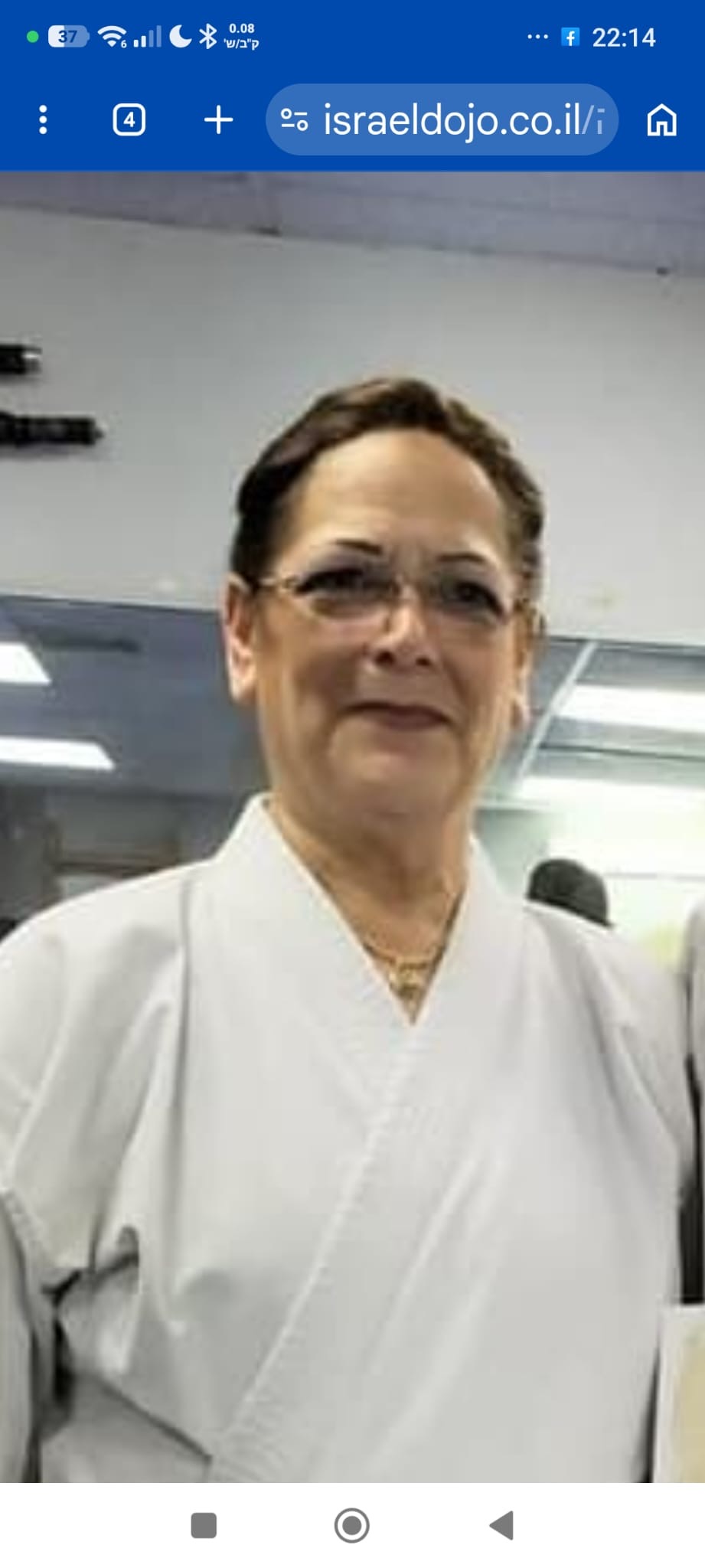
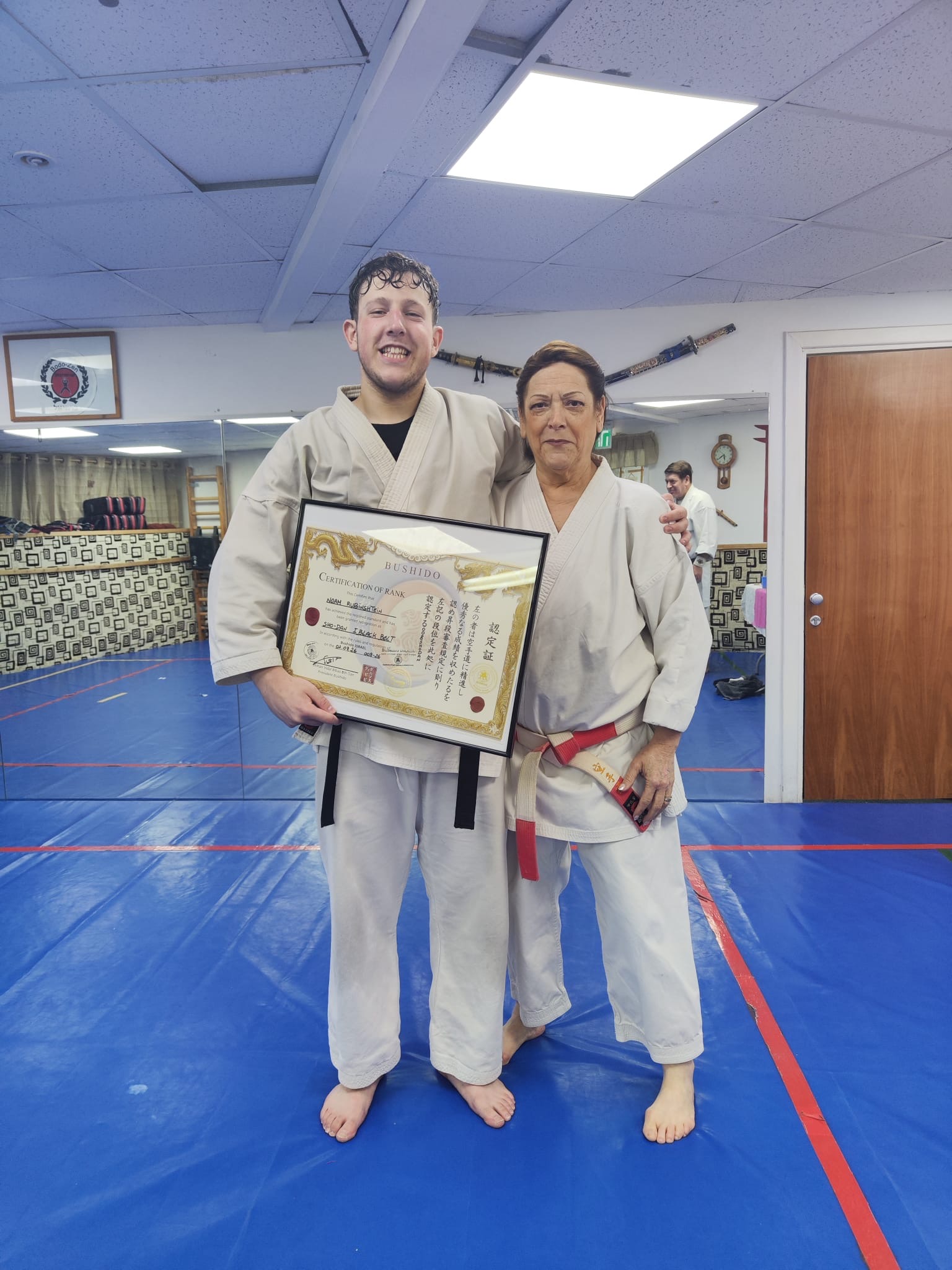
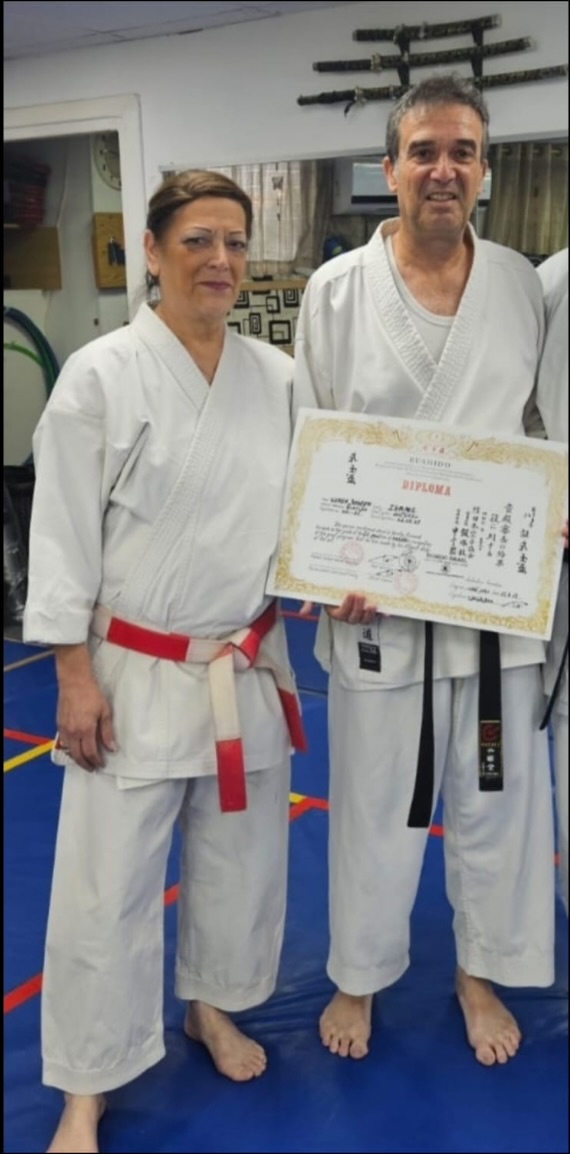
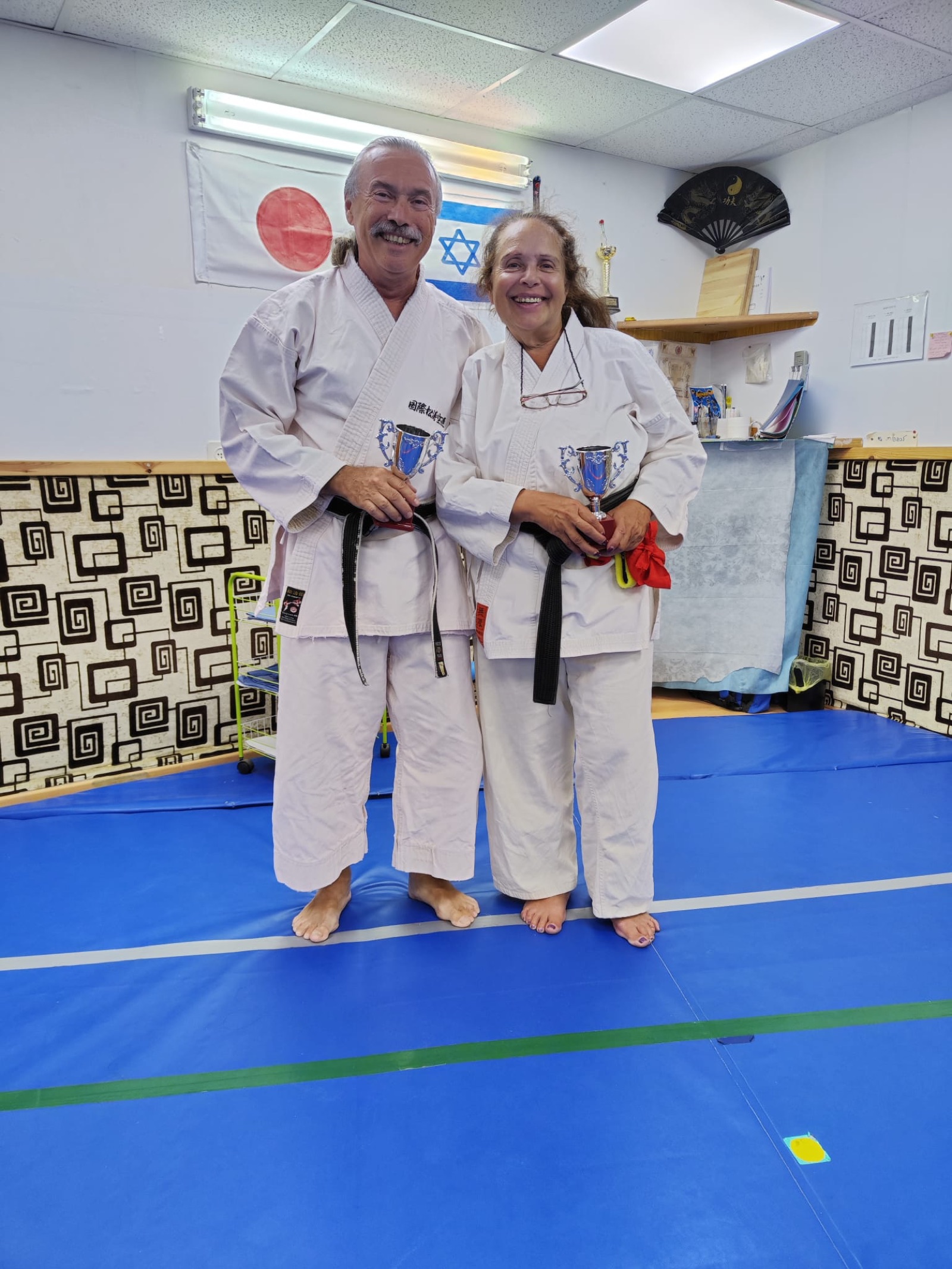
From the age of nine, I knew that I wanted to be an instructor. The figure of an instructor felt warmer and more approachable to me than that of a teacher, and that decision shaped how I chose to live and my desire to set an example for my students. Among other things, I decided not to smoke so that I could tell my students not to smoke through personal example.
Before my military service, I studied psychology, sociology and pedagogy every week. I understood that instruction requires knowledge of the human mind, an understanding of society's influence on the individual and the individual's place in society. At the same time, I completed instructor courses offered by the Jewish Agency and the Working and Studying Youth movement, worked at summer camps and later coordinated several camps.
After my military service, I taught at Korczak School in Kiryat Motzkin, including a therapeutic class. I later studied youth instruction for disadvantaged youth at Beit Berl and worked in the field for about four years. While studying teaching at Oranim, I coordinated the Eli Cohen youth club in Kiryat Motzkin and taught an instructors' course recognized by Beit Rutenberg in Haifa.
After completing my teaching studies, I spent about four years educating two parallel classes at Ben-Gurion School in Bat Yam. There I had the privilege of learning from principal Pinchas Bockelman, one of the most significant educators I have met. Every observation he made enriched my knowledge and directly influenced my success in teaching.
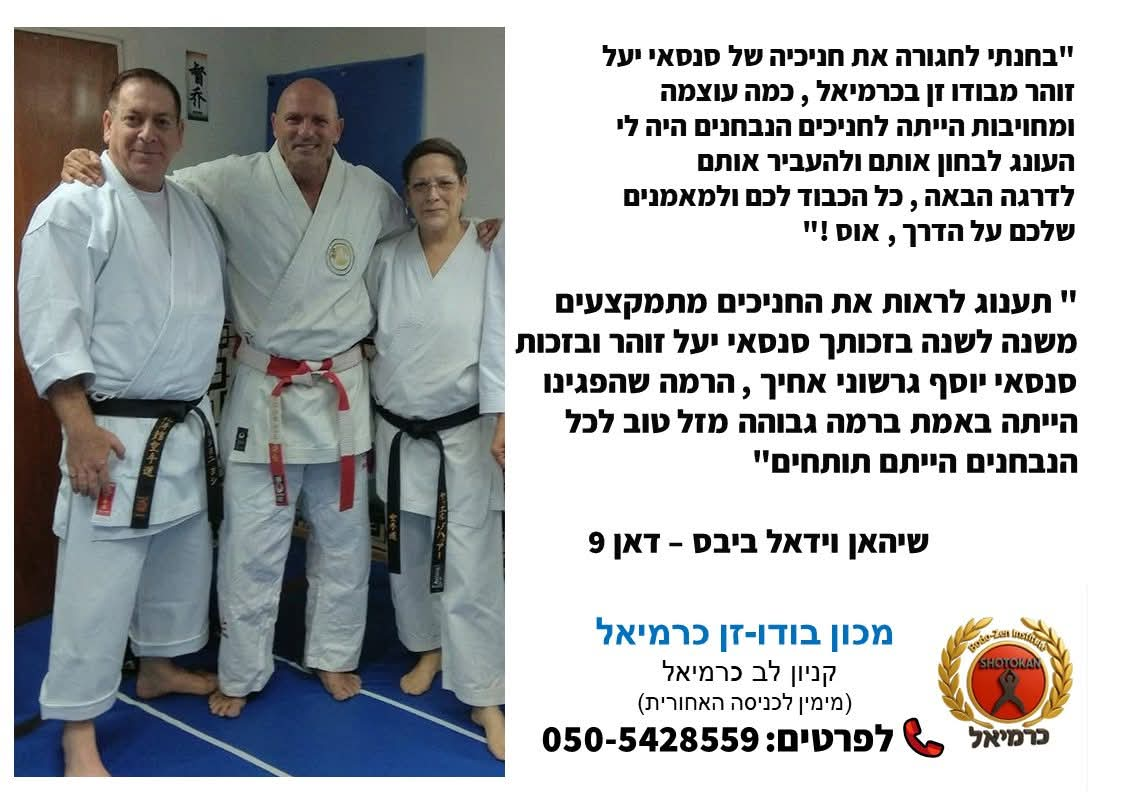
I later joined my husband in Toronto, Canada. After eight years, I returned to Israel, resumed teaching and coordinated road-safety education at Kalanit School in Karmiel. At the same time, I began studying karate for pleasure and was naturally drawn into instruction.
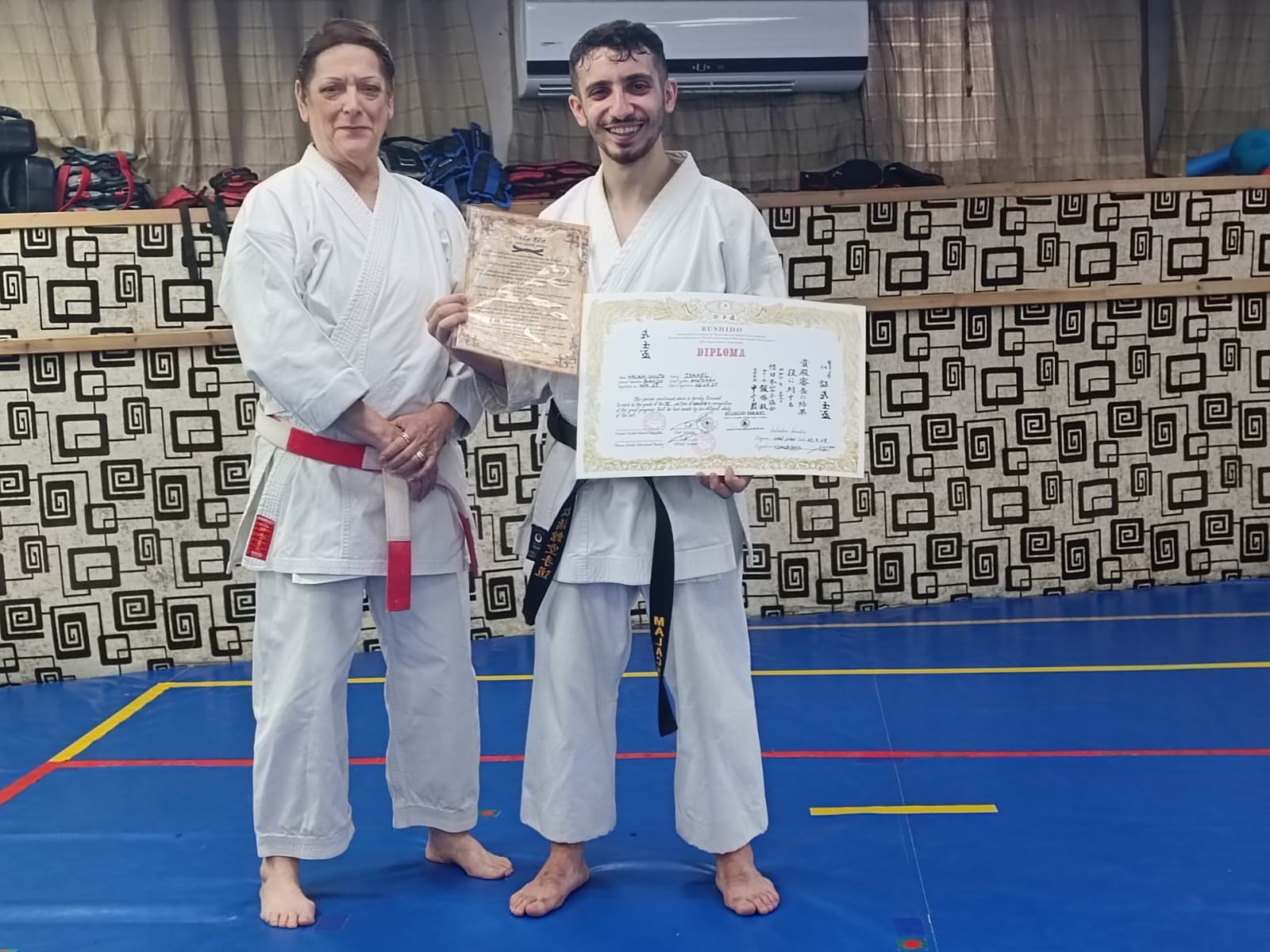
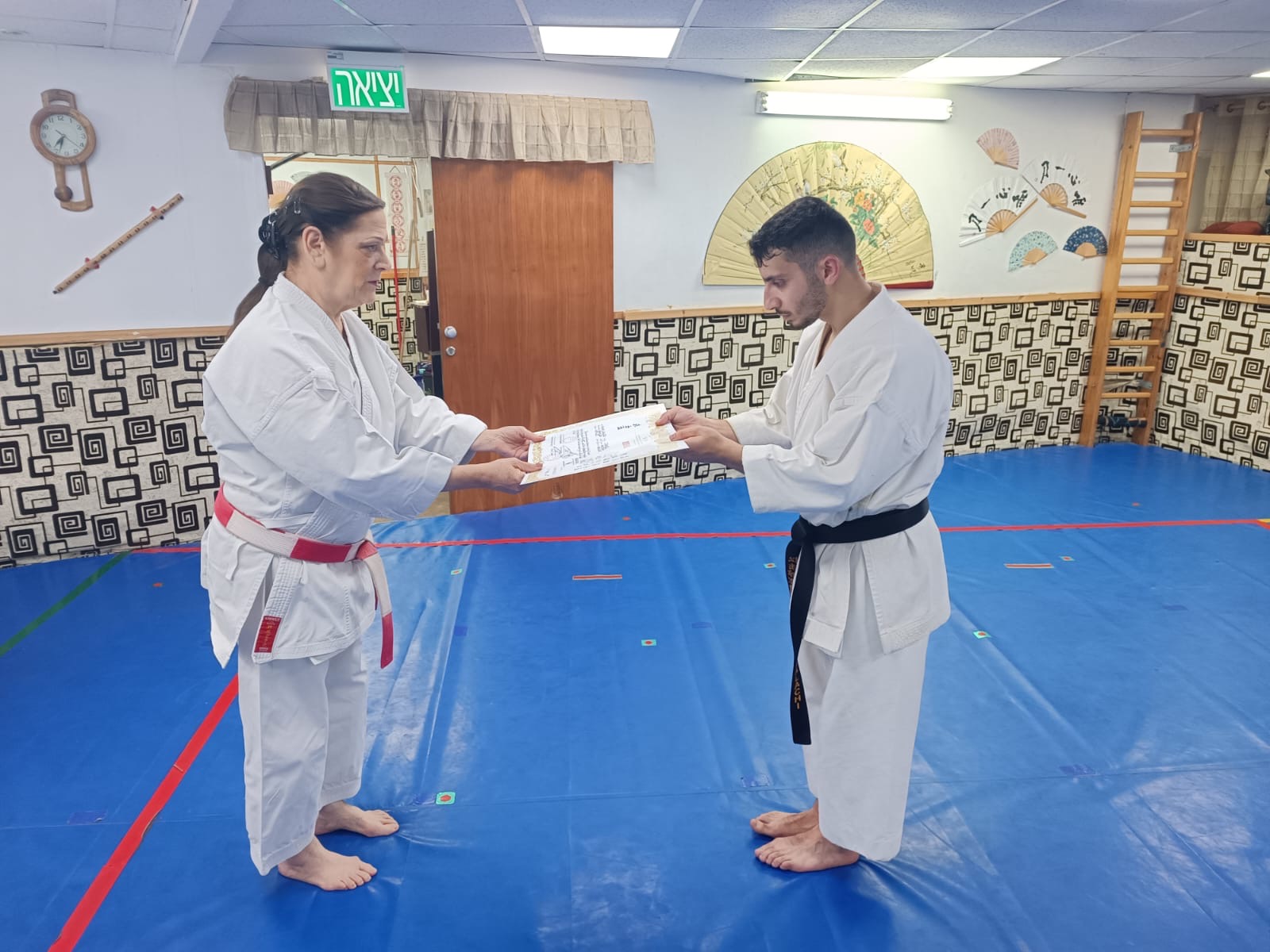
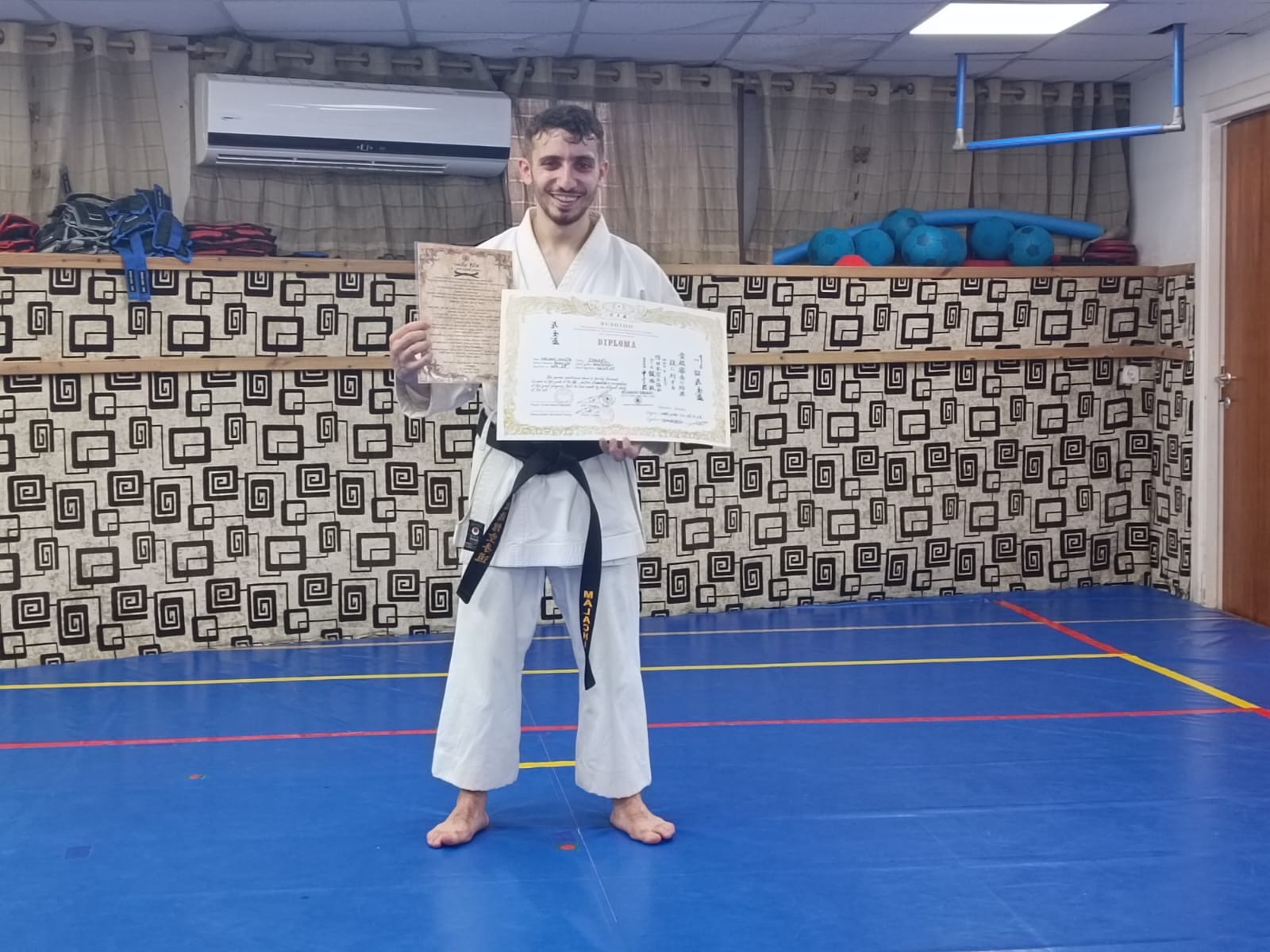
My formal qualifications include teaching studies for grades three through six at Oranim, youth instruction studies at Beit Berl, a B.A. in Psychology from Burlington, and Wingate certification as a karate instructor and coach in karate-based martial arts. Certificates provide formal recognition, but most of my knowledge came from life experience and the people who accompanied me.
I learned a great deal from my mother, a remarkable kindergarten teacher and pioneer of mixed-age learning; from my father, an educator, guide and the person who shaped so much of what I do; and from my maternal grandmother, a woman of books and rare experience who knew how to spark thought through a story or an event from her life.
Beside them stood my dear late husband, Professor Uri Zohar of the Zinati family, a doctor and professor of mathematics and economics. He was a man of books with a talent for building and creating, and extraordinary curiosity about the world and people. He loved nature and photography, collected pens, and was a loving, sensitive and encouraging father and husband.
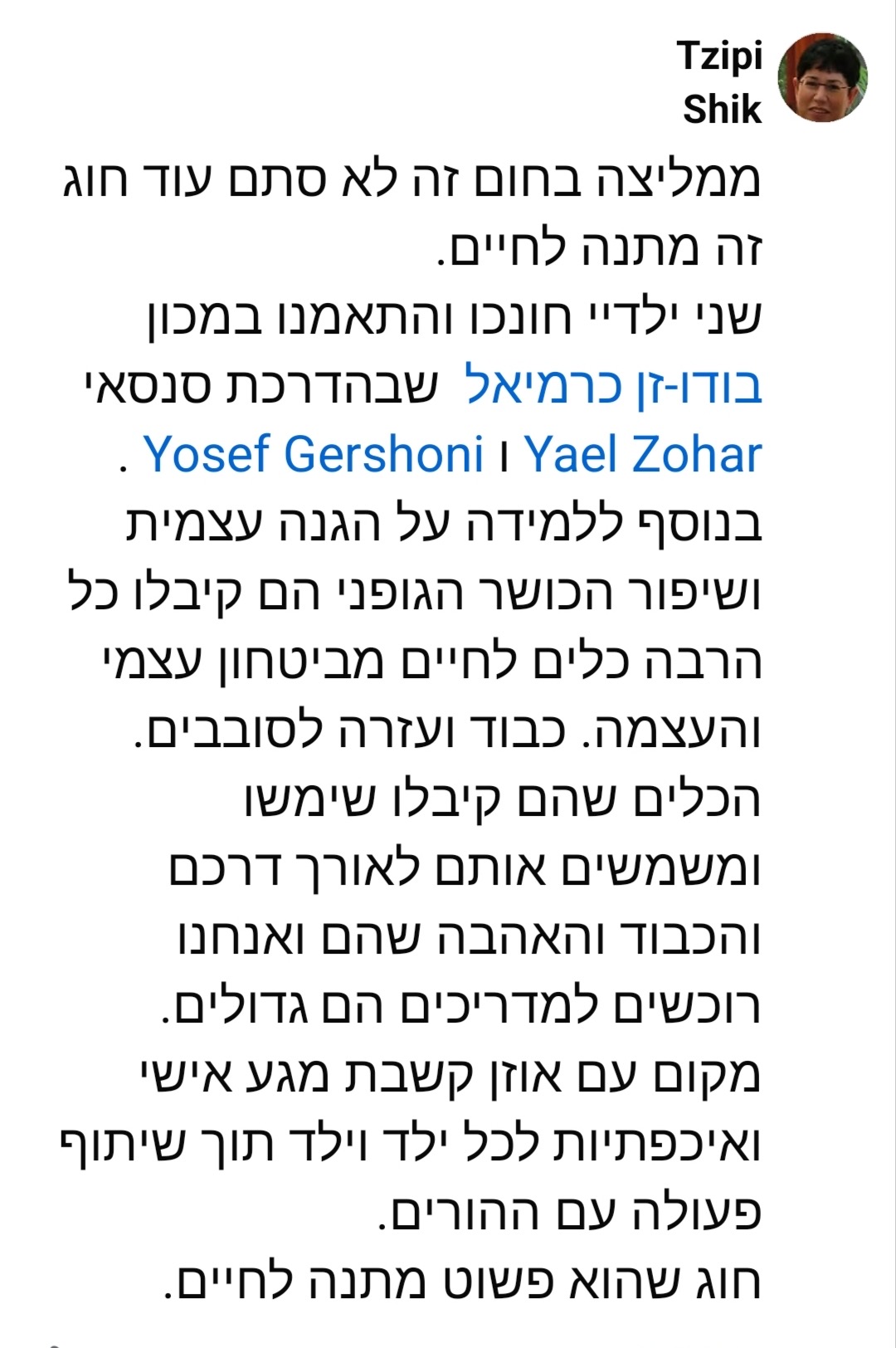
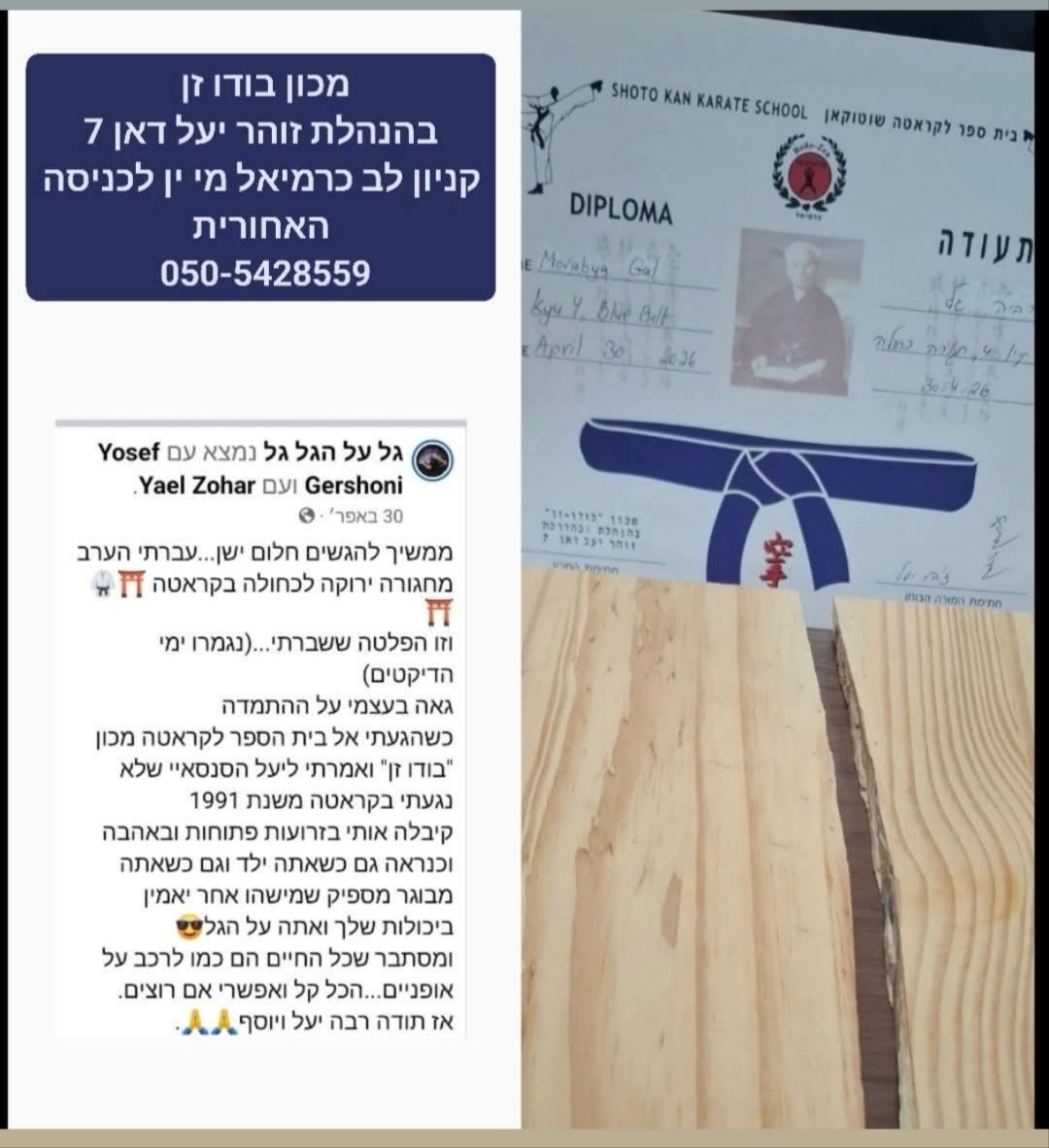
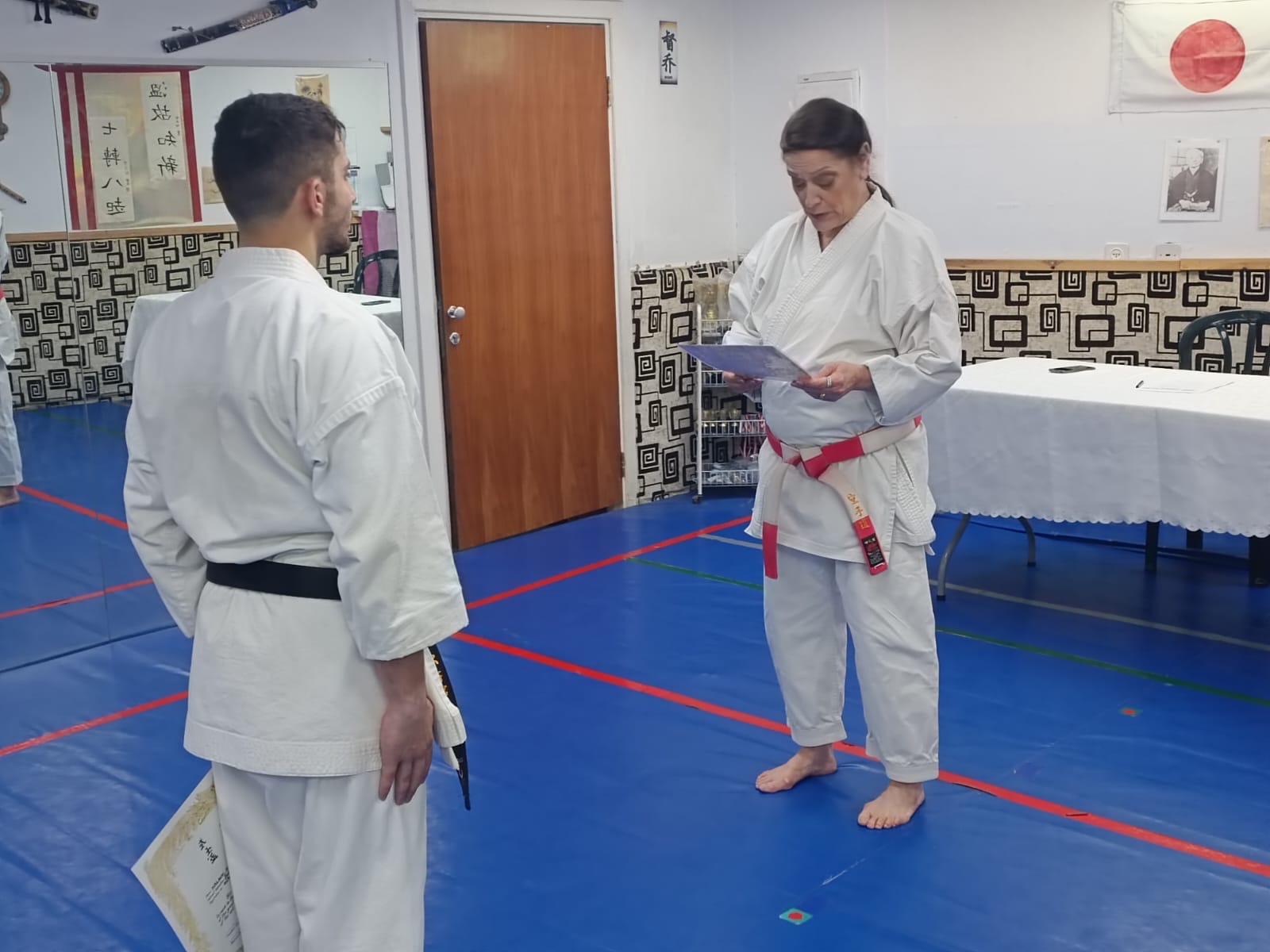
For about 32 years, I volunteered in therapeutic karate at the ALEH Center in Karmiel, guided by the belief that people should contribute to society not only for their livelihood, but also to help build a better society.
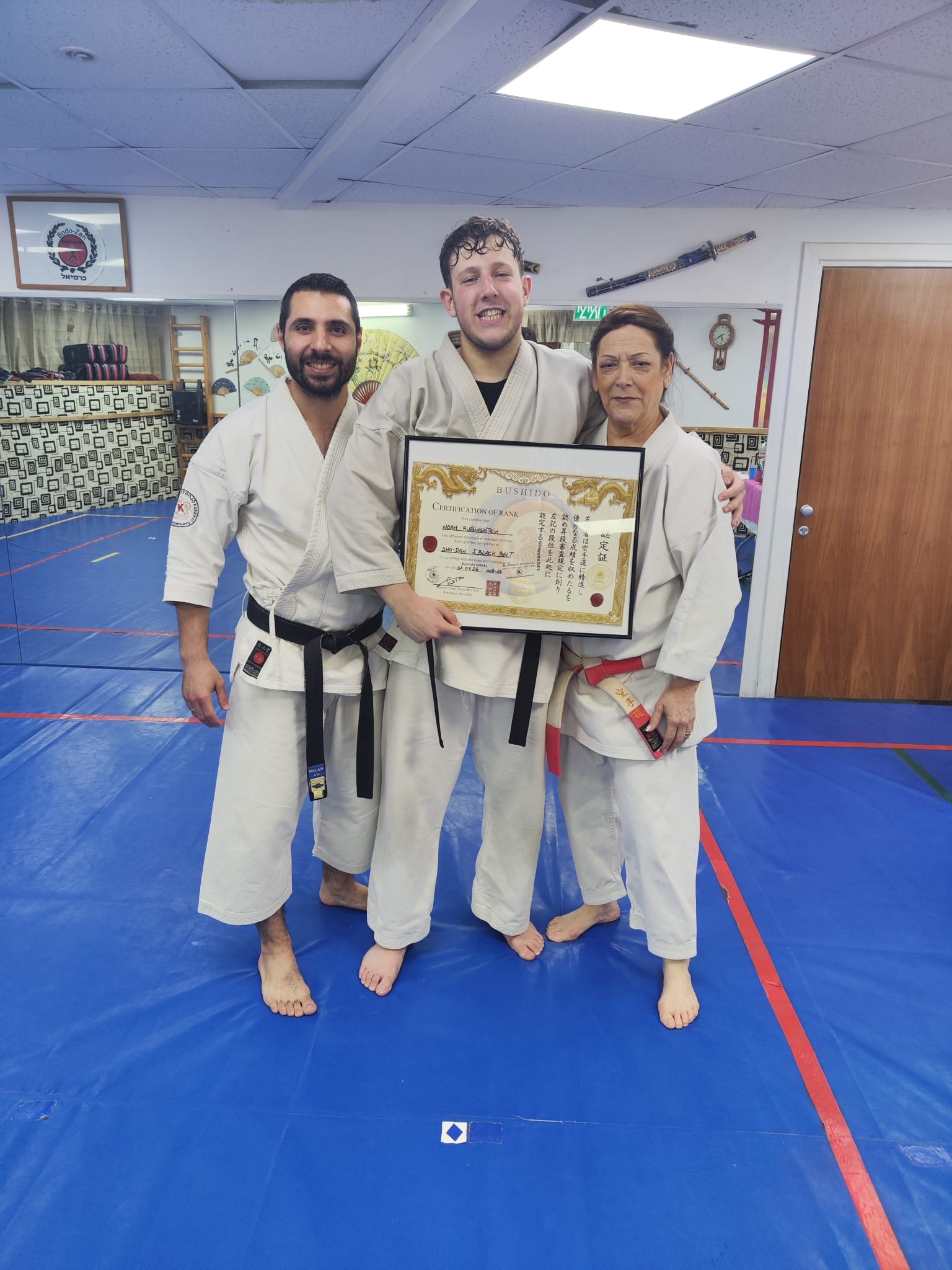
My experience in instruction began at age 14 and continues to this day, amounting to about 58 years of work and learning. I earned qualifications and accumulated experience, but I owe my true progress in karate to my students. Their desire to advance pushed me to keep learning so that I would always have more knowledge to give them.
In karate, I found expression for everything I love: giving, guiding, instructing, educating, teaching and leading my students to live peacefully with themselves and their surroundings, strive to improve and recognize their achievements. The satisfaction is immense, and the experience is renewed for me in every lesson.
Today, alongside my dear son Matan, my granddaughters and my brother Yosef, karate and my students are at the center of my life.